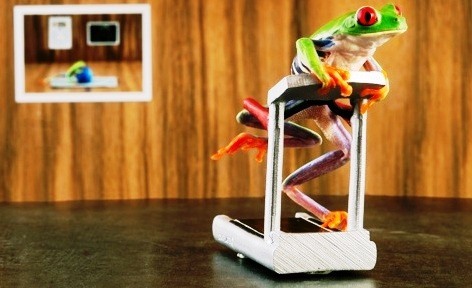
About the Sole F63 Treadmill Technology – an Introduction and Tech Review by Skirmisher News originally published in 2015, but now updated to reflect the newly released 2016 model.
Last revision: 10/10/17.

Fitness is catching on faster than a fire in a lot of people’s lifestyles. This may be fueled by the rapid realization and understanding of the negative effects of not leading a healthy lifestyle. Additionally, individuals may be aspiring to live to their fullest potential, and that may include obtaining the ideal body for them. Either way, fitness is an important part in a lot of people’s lives. With that, there are many types of workouts and fitness plans, depending on a lot of things. However, cardio is one of the main foundations for any workout style. For that reason, those who work out seek to have a certain time period set apart exclusively for cardio as a part of the whole workout.
Considering the fast paced world we live in, convenience is the main characteristic individuals look for in nearly anything.
This includes work outs. For cardio, running is one of the best ways to gain cardio fitness and work out other muscles as well. However, it may require outdoor running. This is where treadmills come in. Treadmill companies realized the gap between people’s need of having a convenient cardio workout without having to go outside their home or seclusive workout area. For that reason, treadmills have been developed to fuse these two needs into one.
Given that there are many treadmill types on the market, each is unique and with its own set of new treadmill technology which set it apart from others. For a prospective buyer, knowing the facts is useful for it provides him or her the necessary and needed information before purchasing. In this particular discussion, we will look at the Sole F63 treadmill in particular.
We will focus on information about the treadmill, its main specifications and features, its technology as well as other information that is useful to the reader.
About the Sole F63 Treadmill
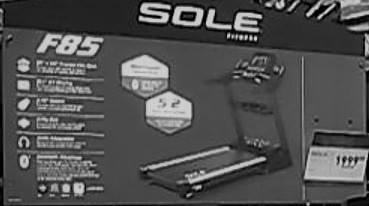
The Sole F63 treadmill is a product of the Sole Fitness company, also know for the Sole F85 and Sole F80 treadmill models, both previous reviewed by Chris Mayer.
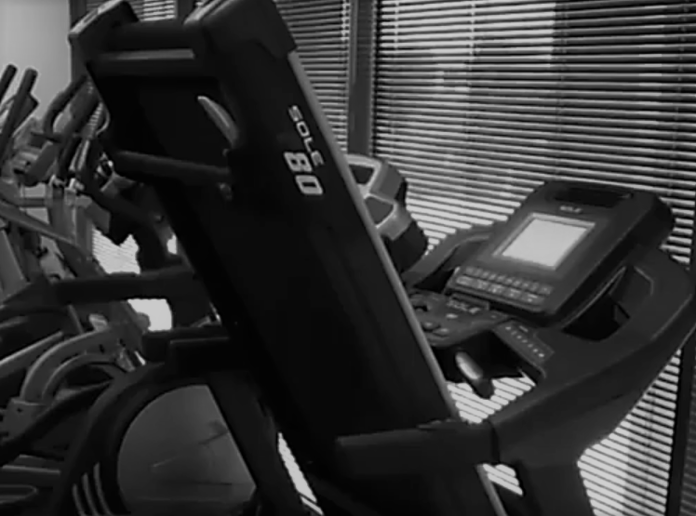
The Sole Fitness company specializes in making fitness machines such as exercise bikes, elliptical machines, and treadmills. The treadmill itself falls is one of seven Sole treadmills. Featuring a variety of speeds levels and the convenience of space saving with its foldable feature, it is an assemble-yourself machine. It comes in a box with its parts detached and with a manual to guide the user on how to fit the various parts onto each other. The assembly process is relatively simple. More reviews and information regarding the assembly of the Sole F63 treadmill can be found here.
Following the assembly of the F63 folding treadmill, there is a stipulated safety checklist on the owner’s manual which must be followed closely in order to avoid any potential electrical and safety hazards.
This includes setting up a proper electrical input from a central source as well as calibrating the start and stop buttons of the machine as well as setting up information such as the time and date on the machine.
Product Features and Specifications
The Sole F63 features a range of specifications.
– Various speeds
There are a variety of speeds that come with the treadmill. The speed can go up to 12mph (starting at 0.5 mph) with a range of various speeds in between to suit different workout routines and intensities.
– Incline levels
For a more intensified workout, the user can choose to incline the machine. There are 15 levels of incline to provide various levels of intensities.
– Preset programs
With the treadmill comes a range of preset workout programs which the user can choose from.
- Standard Programs: 6
- Custom Programs: 2
- Heart Programs: 2
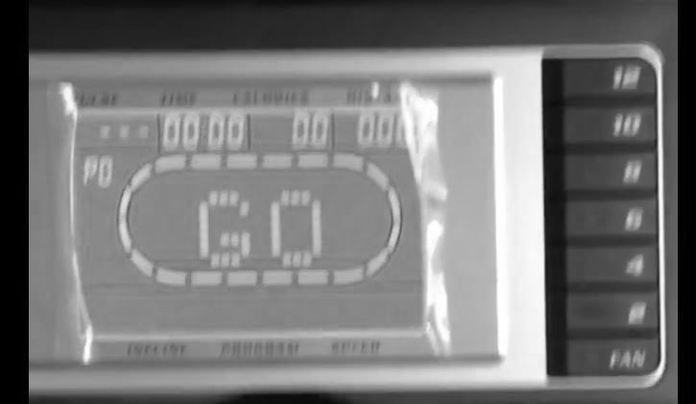
The purpose of these programs is to take the user through various workouts targeting various goals. There are preset programs for fat burning and cardio training.
– Additional features
There are additional features that come with the treadmill. For example, the user friendly display, an 6.5 inch white back-lit LCD screen, that displays incline levels, speed, time, distance, pulse, pace, and calories burned. Also on the display is the ¼ mile track display which lets the runner know and track their progress. In terms of entertainment, there are in built speakers which can be used to hook up MP3 players and other music devices to output music during the workout routine.
– Safety features
In addition to the above features, there are key safety features available for the user. In case of emergencies on the treadmill, there is a wide stop switch button which slows down the machine to a low profile running hood and eventually putting it to a stop.
The F63 Treadmill Technology
The F63 model treadmill features a few technological specs that are integrated into basic design and function. Below is a closer look at these different technologies and their function on the F63 (https://www.eurekalert.org/pub_releases/2015-04/osu-ndm041415.php, http://www.treadmillconsumers.com/).
– Convenient controls
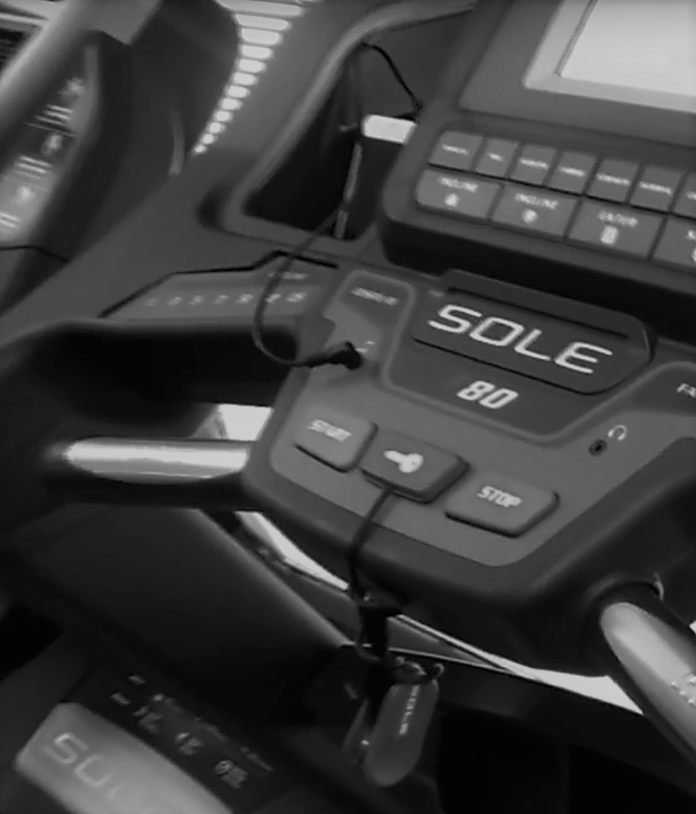
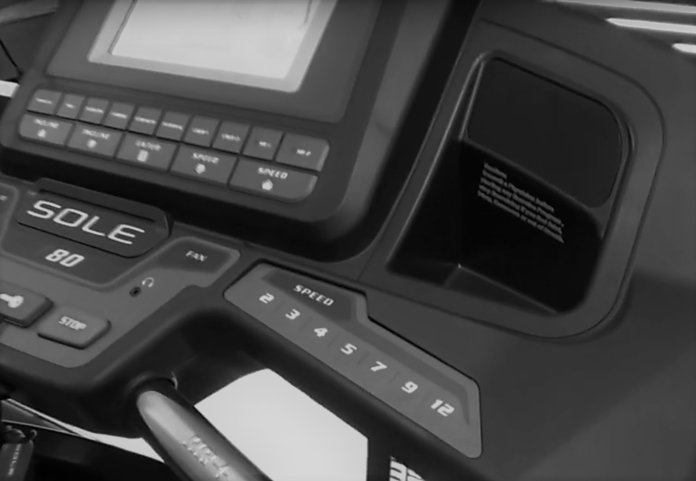
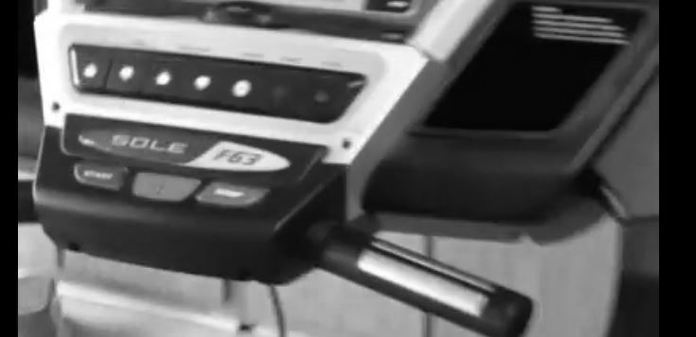
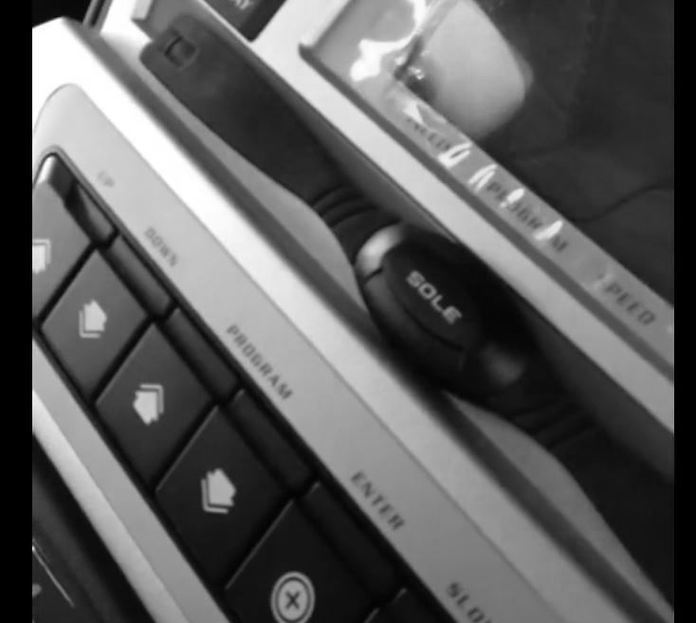
During the workout, if the user wants to adjust the intensity by adding speed or incline or on the other hand wants to decrease the speed or incline of the treadmill, the control buttons to do so are easy to access on the control panel. They are located along the sides of the screen, making them accessible and easy to reach.
– Message board
The SOLE LCD alphanumeric display screen is the center of control and information on the machine.
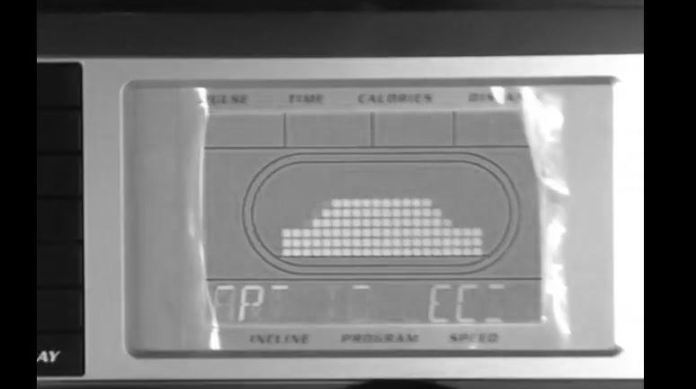
On this display there is quite a bit of information displayed, including comprehensive details about the workout. These include distance ran, average pace, incline, calories burned and so forth. To access all this information is relatively simple and only requires the user to navigate the information by using the user profile buttons. In the 2016 model the display was upgraded to 6.5 inch LCD.
– Torque motors – with flywheels
The workings of the treadmill are reliant on the machine’s motors. These motors are all-steel welded frames that are powder coated and with stable inclines. The steel zinc-coated balanced flywheels and motors with large diameters offer for a vibration free and secure surface. Flywheels are largely responsible for the motor to extend the motor life and allow it to run cooler and provide a fluid functioning motion.
– Belts and Rollers
The belt and roller are technologies integrated within the F63. The rollers are rollers with copper ground wires and sealed bearing design which prolong the life of the belt and facilitate a smooth running motion during workouts.
Belts, on the other hand, are woven 2 ply with four layers protected by PVC and nylon which allow smooth functioning and avoid over stretching of the Sole F63 treadmill belt.